Needles For Drawing Blood
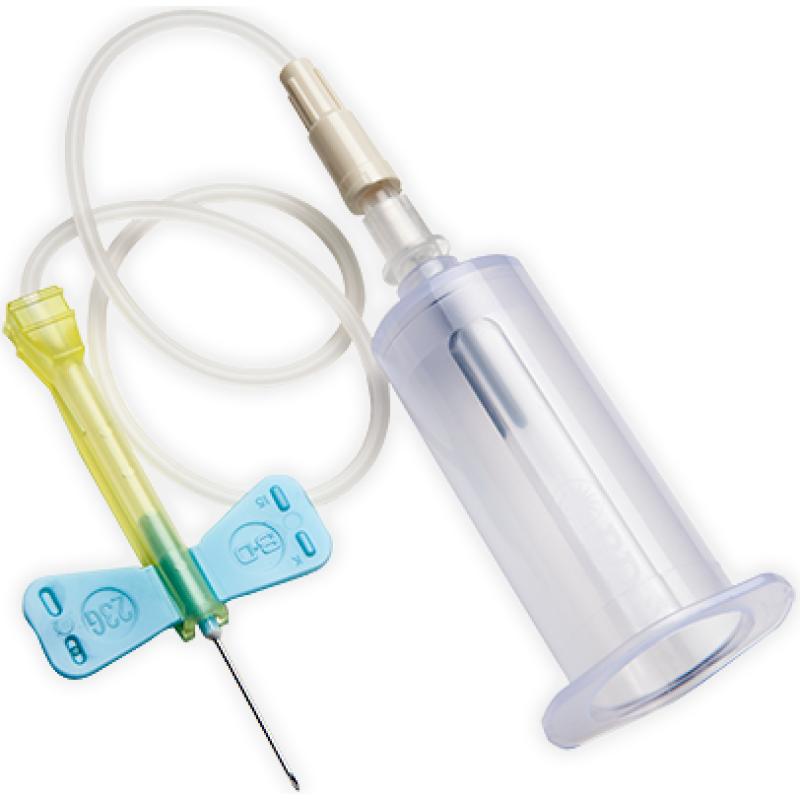
Needles For Drawing Blood - Wrist and hand veins are tough to get into with a straight needle, and butterfly alternatives make this easy. Healthcare professionals use phlebotomy blood draw needles to safely and precisely collect blood samples for testing, donation, or treatment. Web for patient with small or difficult veins, blood drawing can be easier than an evacuated tube system. Keep reading to learn how you can make blood draw painless for your patients. 765 east market place drive. In this video, you will be shown the correct way to draw blood with a straight needle. Web needle phobia can manifest in the form of feeling panic or experiencing signs of fainting. Most have a rubber sheath over the back of the needle to prevent blood from flowing into the holder during tube changes. Used needles should not be recapped or cut or detached from the syringes before disposal. Web winged blood collection (butterfly) sets are lightweight, maneuverable, and allow for a lower angle of insertion when performing a venipuncture. Web needle phobia can manifest in the form of feeling panic or experiencing signs of fainting. Multiple drawing (evacuated), hypodermic, or butterfly needles. Some medical professionals call a butterfly needle a “winged infusion set” or a “scalp vein set.” 1.7m views 4 years ago. Evacuated needles are the most common, with hypodermic needles next, and butterfly the least. It has a rubber sleeve at one end that creates a vacuum within the tube, making blood collection easier. Web insert a needle successfully into the skin to access the vein. Web gather the necessary equipment and tools used to perform the blood draw and place them on a tray that's within reach. The needle is usually connected to special tubing or a syringe to collect blood. Most have a rubber sheath over the back of the needle to prevent blood from flowing into the holder during tube changes. Keep reading to learn how you can make blood draw painless for your patients. If heparinized, can be used for arterial blood drawing. Web butterfly needles for blood drawing: The strategic use of butterfly needles for blood drawing significantly enhances patient comfort and procedural efficiency across various medical settings. Web if a syringe or winged needle set is used, best. Web phlebotomy blood draw needles. Web if a syringe or winged needle set is used, best practice is to place the tube into a rack before filling the tube. The perfect blood draw needle choice considers the. Web vein size and condition. Precision labs stands out as a beacon of excellence in blood testing services. Web butterfly needles for blood drawing: Web winged blood collection (butterfly) sets are lightweight, maneuverable, and allow for a lower angle of insertion when performing a venipuncture. Ensure a safe and effective process. Find blood draw needles in your choice of style, gauge, and length. This practice helps prevent accidental needlestick injury and reuse. Web learn the best practices here to help avoid complications like contamination, hemolysis, and vein trauma. It has a rubber sleeve at one end that creates a vacuum within the tube, making blood collection easier. This practice helps prevent accidental needlestick injury and reuse. Web winged blood collection (butterfly) sets are lightweight, maneuverable, and allow for a lower angle of. An assortment of needles and syringes of different sizes; Typically, this may include (but, not limited to): Web blood collection needles are intended to be used only once, and they are designed for collecting single or multiple tubes of blood. Web winged blood collection (butterfly) sets are lightweight, maneuverable, and allow for a lower angle of insertion when performing a. Multiple drawing (evacuated), hypodermic, or butterfly needles. The perfect blood draw needle choice considers the. Healthcare professionals use phlebotomy blood draw needles to safely and precisely collect blood samples for testing, donation, or treatment. Patients with smaller or fragile veins may require smaller gauge needles to prevent vein damage or hematoma formation. Identify the intended vein and select an appropriate. The hole of the 21 gauge is wide and it allows the cells in the blood to pass through the needle quickly without damage. Identify the intended vein and select an appropriate needle gauge based on vessel size and fragility. Make sure to inform the person performing your blood draw about your fears so they can work with you to. A butterfly needle consists of a very thin needle, two flexible “wings,” a flexible transparent tubing, and a connector. Web for patient with small or difficult veins, blood drawing can be easier than an evacuated tube system. Web if a syringe or winged needle set is used, best practice is to place the tube into a rack before filling the. Web the 21 gauge needle is the standard gauge needle for drawing blood. It has a rubber sleeve at one end that creates a vacuum within the tube, making blood collection easier. Evacuated needles are the most common, with hypodermic needles next, and butterfly the least. Make sure to inform the person performing your blood draw about your fears so. Make sure to inform the person performing your blood draw about your fears so they can work with you to make your experience a comfortable and safe one. In this video, you will be shown the correct way to draw blood with a straight needle. The first step is to discuss with the patient what you will be doing and. A butterfly needle consists of a very thin needle, two flexible “wings,” a flexible transparent tubing, and a connector. Web winged infusion sets, or butterfly needles, are designed to be the most comfortable option for drawing blood. Below is a guide that explores the different aspects of blood draw needles. Web blood collection needles are intended to be used only once, and they are designed for collecting single or multiple tubes of blood. Web however, some people require butterfly needles for a successful blood draw. The hole of the 21 gauge is wide and it allows the cells in the blood to pass through the needle quickly without damage. Most have a rubber sheath over the back of the needle to prevent blood from flowing into the holder during tube changes. Those veins are usually big enough for the use of a 21 gauge needle. Here are the basic steps to drawing blood: Multiple drawing (evacuated), hypodermic, or butterfly needles. Web learn the best practices here to help avoid complications like contamination, hemolysis, and vein trauma. This practice helps prevent accidental needlestick injury and reuse. Make sure to inform the person performing your blood draw about your fears so they can work with you to make your experience a comfortable and safe one. Web winged blood collection (butterfly) sets are lightweight, maneuverable, and allow for a lower angle of insertion when performing a venipuncture. Web a butterfly needle is a device used to access a vein for drawing blood or giving medications. In this video, you will be shown the correct way to draw blood with a straight needle.
Greiner BioOne VACUETTE MultiDrawing Blood Collection NeedlesBlood
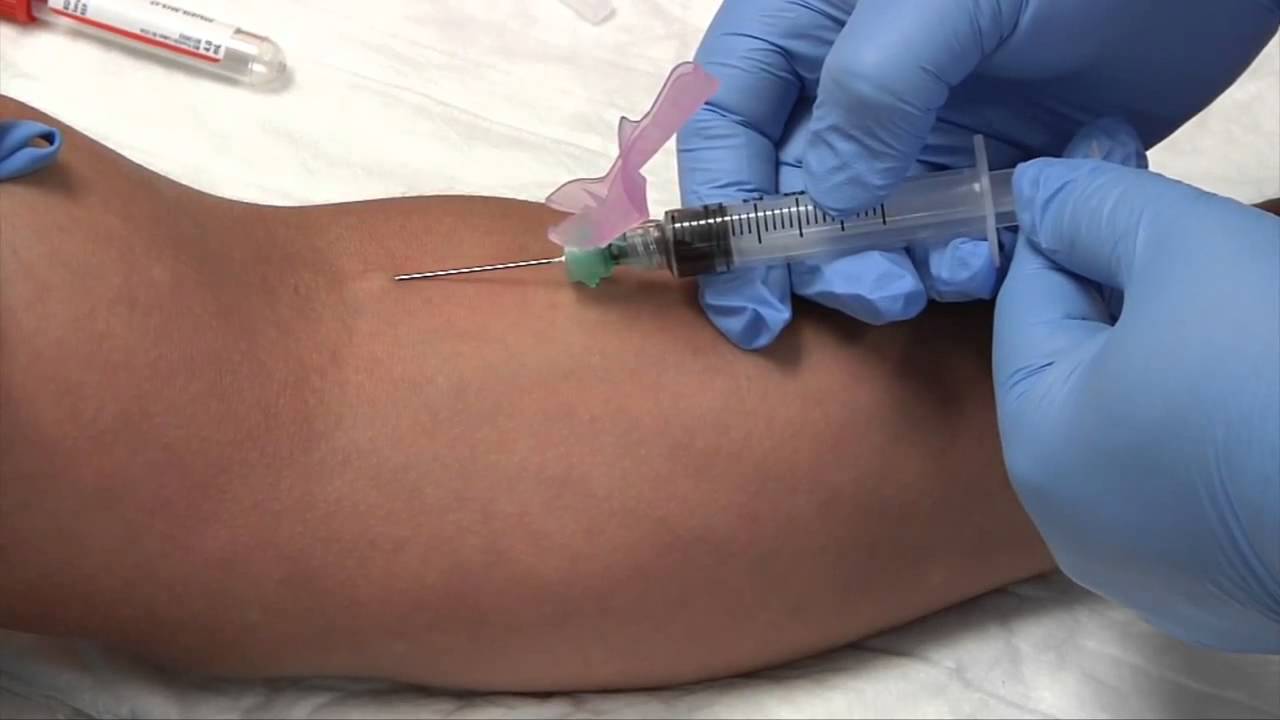
Phlebotomy Syringe Draw Procedure Blood Collection (RxTN) YouTube
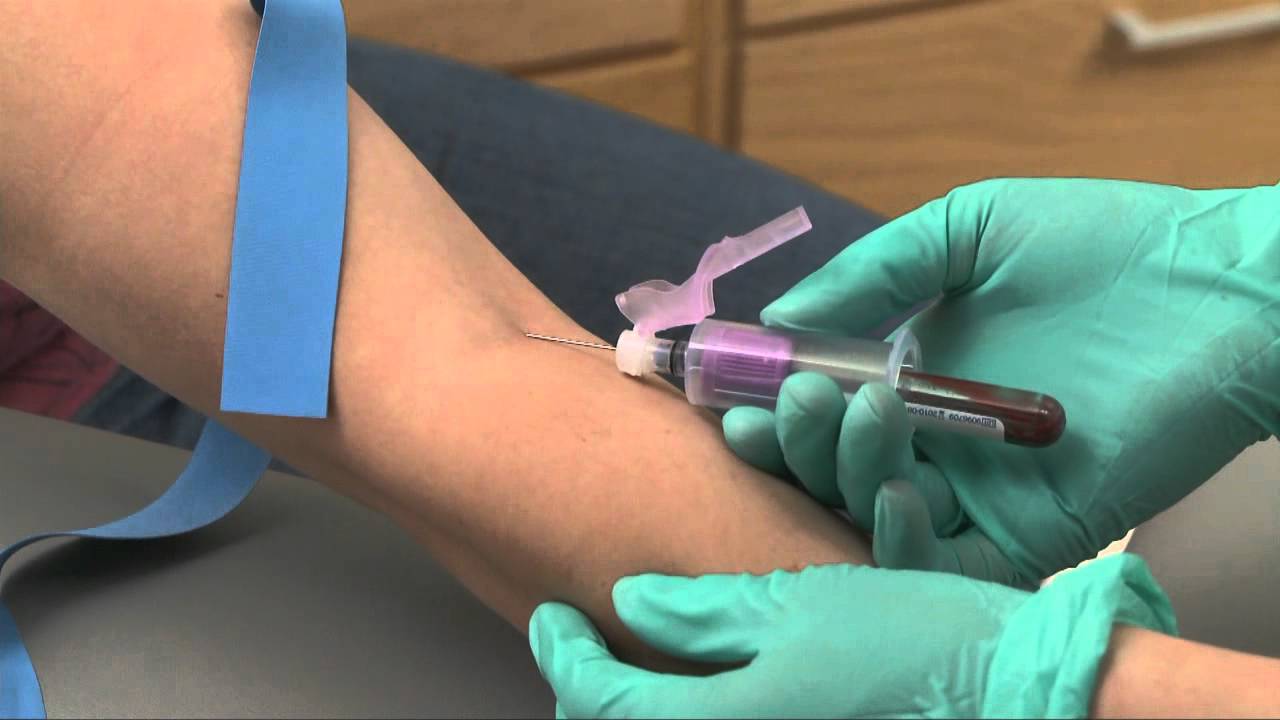
Safe and Effective Blood Draw YouTube
Blood Draw/Venipuncture Technique and Overview The Procedure Guide

Butterfly Needle for Blood Draw How It Works and Why It’s Used

Drawing Blood using a Butterfly Needle YouTube
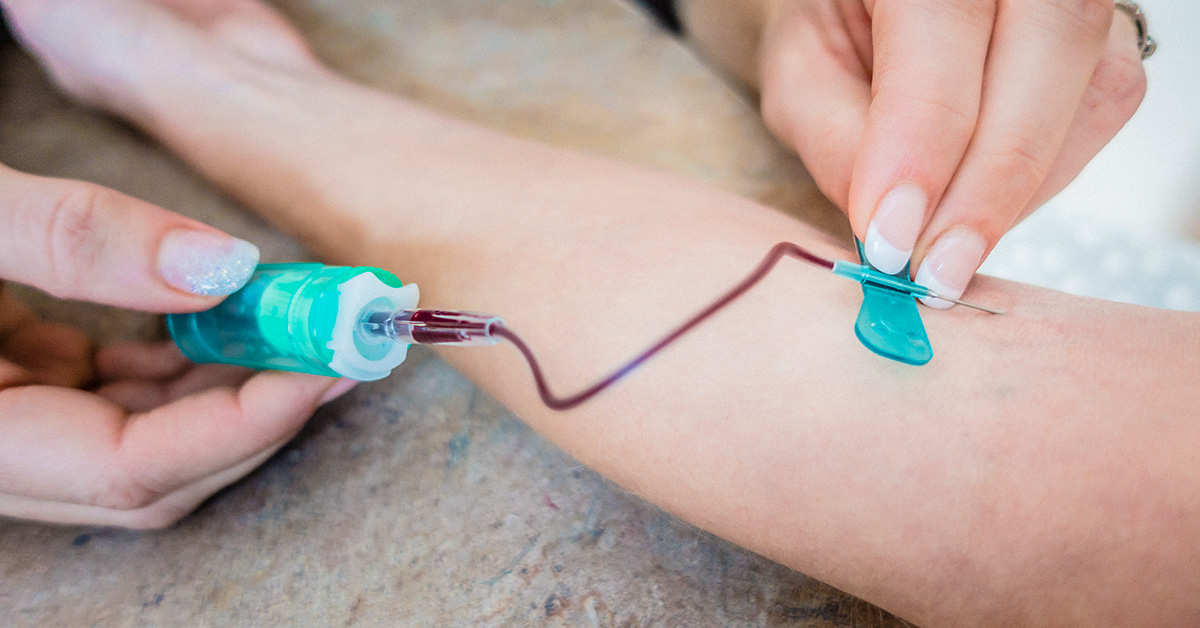
Butterfly Needle for Blood Draw How It Works and Why It’s Used

Sterican Blood Drawing Needles Buy Here

Exel International MultiSample Blood Draw Needles Green Hub; 21 G x 1.

Blood Drawing Archives Kawasumi
Ensure A Safe And Effective Process.
Difficult To Draw Large Or Multiple Blood Samples.
An Assortment Of Needles And Syringes Of Different Sizes;
Patients With Smaller Or Fragile Veins May Require Smaller Gauge Needles To Prevent Vein Damage Or Hematoma Formation.
Related Post: