
Aztec Quetzalcoatl Drawing
Aztec Quetzalcoatl Drawing - The aztecs, originally nomadic, settled in the valley of mexico around 1325. The serpent's coils are covered with feathers; He was a creator god, associated with the wind god (ehecatl) and the planet venus. Web quetzalcoatl occasionally appears in aztec literature under the guise of ehecatl; Stone sculptures like coatlicue (top of the page) demonstrate the. The aztec ruler thought that cortés was the god quetzalcoatl (feathered serpent) returning from the east. Web stone bust, or figure, of the aztec god quetzalcoatl, the feathered serpent. He is also the patron of priesthood, and he is one of the four major creation deities. Web the feathered serpent is a prominent supernatural entity or deity, found in many mesoamerican religions. Web according to the aztec legend of the suns, quetzalcoatl ruled over the second sun of aztec creation. The aztecs, originally nomadic, settled in the valley of mexico around 1325. Web according to the aztec legend of the suns, quetzalcoatl ruled over the second sun of aztec creation. Web in aztec times (14th through 16th centuries) quetzalcóatl was revered as the patron of priests, the inventor of the calendar and of books, and the protector of goldsmiths and other craftsmen; He was a creator god, associated with the wind god (ehecatl) and the planet venus. He also had anthropomorphic forms, for example in his aspects as ehecatl the wind god. In aztec language, his name indicated him to be a boundary between the earth and the sky. Web quetzalcoatl, the feathered serpent, emerges from the annals of aztec mythology as a profound symbol of creation, knowledge, and the balance between earthly and celestial realms. Web the feathered serpent is a prominent supernatural entity or deity, found in many mesoamerican religions. Often depicted as a feathered serpent, he embodies creation,. [wiːt͡siloːˈpoːt͡ʃt͡ɬi] ⓘ) is the solar and war deity of sacrifice in aztec religion. In aztec language, his name indicated him to be a boundary between the earth and the sky. Often depicted as a feathered serpent, he embodies creation,. See more ideas about aztec art, mayan art, aztec tattoo. Taz, get my art bag. The deity's face wears curved shell ear ornaments, while the head of the snake emerges above right shoulder. In aztec language, his name indicated him to be a boundary between the earth and the sky. He is also the patron of priesthood, and he is one of the four major creation deities. This tattoo features a dragon in a grey and black shade. Ships globally and made in the us. Web quetzalcoatl occupied a unique position in the. He was a creator deity having contributed essentially to the creation of mankind. The aztecs, originally nomadic, settled in the valley of mexico around 1325. Web quetzalcoatl occasionally appears in aztec literature under the guise of ehecatl; The aztec ruler thought that cortés was the god quetzalcoatl (feathered serpent) returning from the east. Web huitzilopochtli ( classical nahuatl: In aztec mythology he was the brother of tezcatlipoca, huizilopochtli and xipe totec. Web quetzalcoatl, the feathered serpent, emerges from the annals of aztec mythology as a profound symbol of creation, knowledge, and the balance between earthly and celestial realms. Web the templo mayor museum in mexico city is home to a large stone monolith of coyolxauhqui, an important character. To the aztecs, quetzalcoatl was, as his name indicates, a feathered serpent. The destination for hd posters from worldwide artists. The aztecs, originally nomadic, settled in the valley of mexico around 1325. He is also the patron of priesthood, and he is one of the four major creation deities. In aztec mythology he was the brother of tezcatlipoca, huizilopochtli and. To the aztecs, quetzalcoatl was, as his name indicates, a feathered serpent. The destination for hd posters from worldwide artists. Made from quetzal feathers and gold, it reflects the importance of costume in aztec rituals. The deity's face wears curved shell ear ornaments, while the head of the snake emerges above right shoulder. Web according to the aztec legend of. Web in aztec times (14th through 16th centuries) quetzalcóatl was revered as the patron of priests, the inventor of the calendar and of books, and the protector of goldsmiths and other craftsmen; Everything was hand drawn directly to the skin. The destination for hd posters from worldwide artists. The aztec ruler thought that cortés was the god quetzalcoatl (feathered serpent). Web in the vibrant tapestry of aztec mythology, quetzalcoatl stands out as a captivating enigma, a god shrouded in mystery and revered for his multifaceted nature. [wiːt͡siloːˈpoːt͡ʃt͡ɬi] ⓘ) is the solar and war deity of sacrifice in aztec religion. Found in 1978, this decapitated and dismembered figure was repeatedly placed in the same location during seven major building phases, revealing. Web the feathered serpent is a prominent supernatural entity or deity, found in many mesoamerican religions. Taz, get my art bag. Found in 1978, this decapitated and dismembered figure was repeatedly placed in the same location during seven major building phases, revealing a rich layer of aztec history and culture. Web according to the aztec legend of the suns, quetzalcoatl. Aztec artists worked in a number of different media, from monumental stone sculptures, terracotta sculptures, and murals to codices, featherworks, and mosaics. He is the 9th of the 13 lords of the day and is often associated with the rain god tláloc. This is largely due to the story that the aztec king welcomed hernán cortés, the spanish conquistador, as. Their art vividly reflects their beliefs, social structures, and daily life. In aztec mythology he was the brother of tezcatlipoca, huizilopochtli and xipe totec. This tattoo features a dragon in a grey and black shade. Web in aztec culture quetzalcoatl as depicted in the codex magliabechiano. He also had anthropomorphic forms, for example in his aspects as ehecatl the wind god. He was a creator deity having contributed essentially to the creation of mankind. This is largely due to the story that the aztec king welcomed hernán cortés, the spanish conquistador, as the reincarnation of the god. See more ideas about aztec art, mayan art, aztec tattoo. The deity's face wears curved shell ear ornaments, while the head of the snake emerges above right shoulder. The serpent's coils are covered with feathers; He was a creator god, associated with the wind god (ehecatl) and the planet venus. The destination for hd posters from worldwide artists. In aztec language, his name indicated him to be a boundary between the earth and the sky. Web in aztec times (14th through 16th centuries) quetzalcóatl was revered as the patron of priests, the inventor of the calendar and of books, and the protector of goldsmiths and other craftsmen; He is the 9th of the 13 lords of the day and is often associated with the rain god tláloc. Found in 1978, this decapitated and dismembered figure was repeatedly placed in the same location during seven major building phases, revealing a rich layer of aztec history and culture.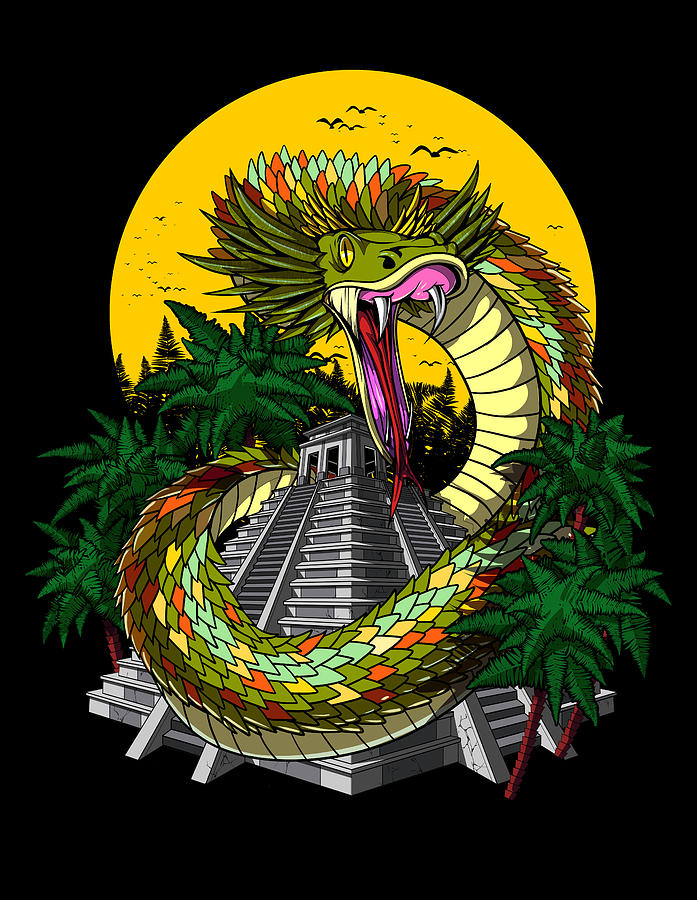
Quetzalcoatl Aztec God Drawing

Quetzalcoatl by dmillustration on DeviantArt Mayan art, Aztec art

quetzalcoatl mexican aztec god 7379848 Vector Art at Vecteezy
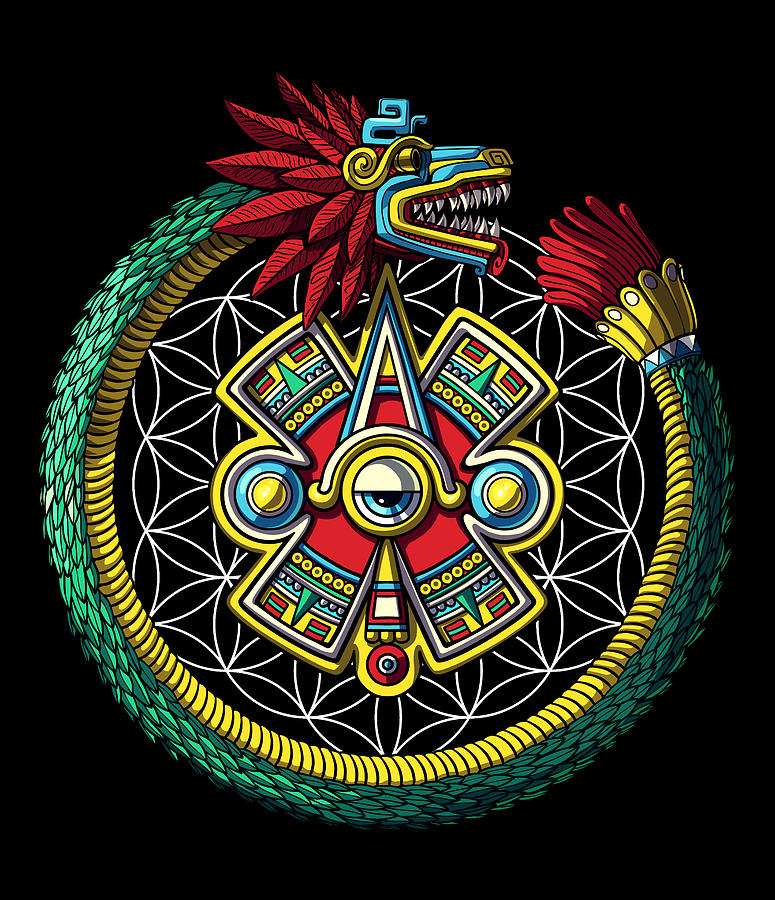
Aztec Quetzalcoatl Ouroboros Digital Art by Nikolay Todorov Pixels

quetzalcoatl aztec god 3937190 Vector Art at Vecteezy
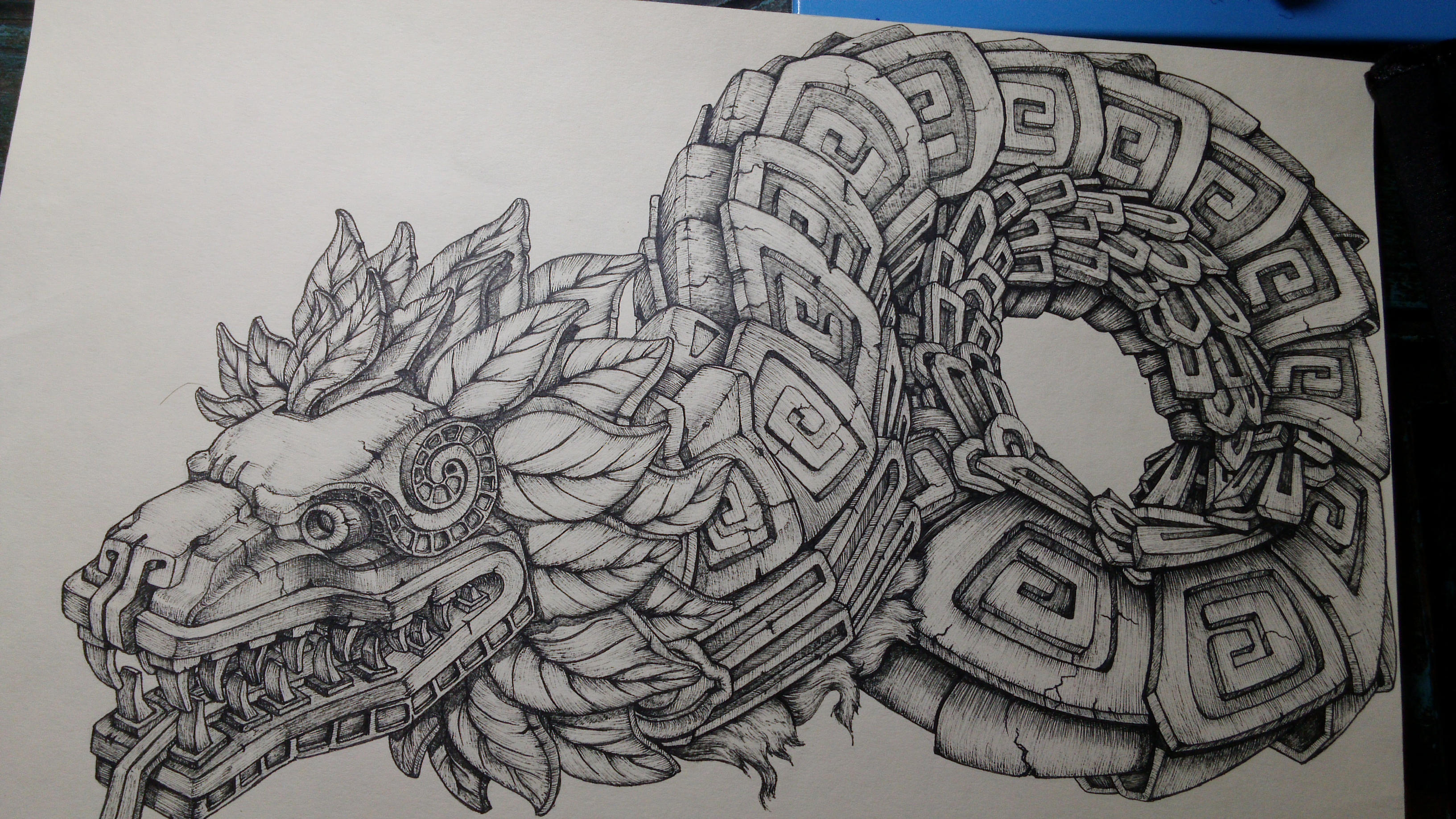
25 aztec quetzalcoatl art You Can Get It Free Of Charge
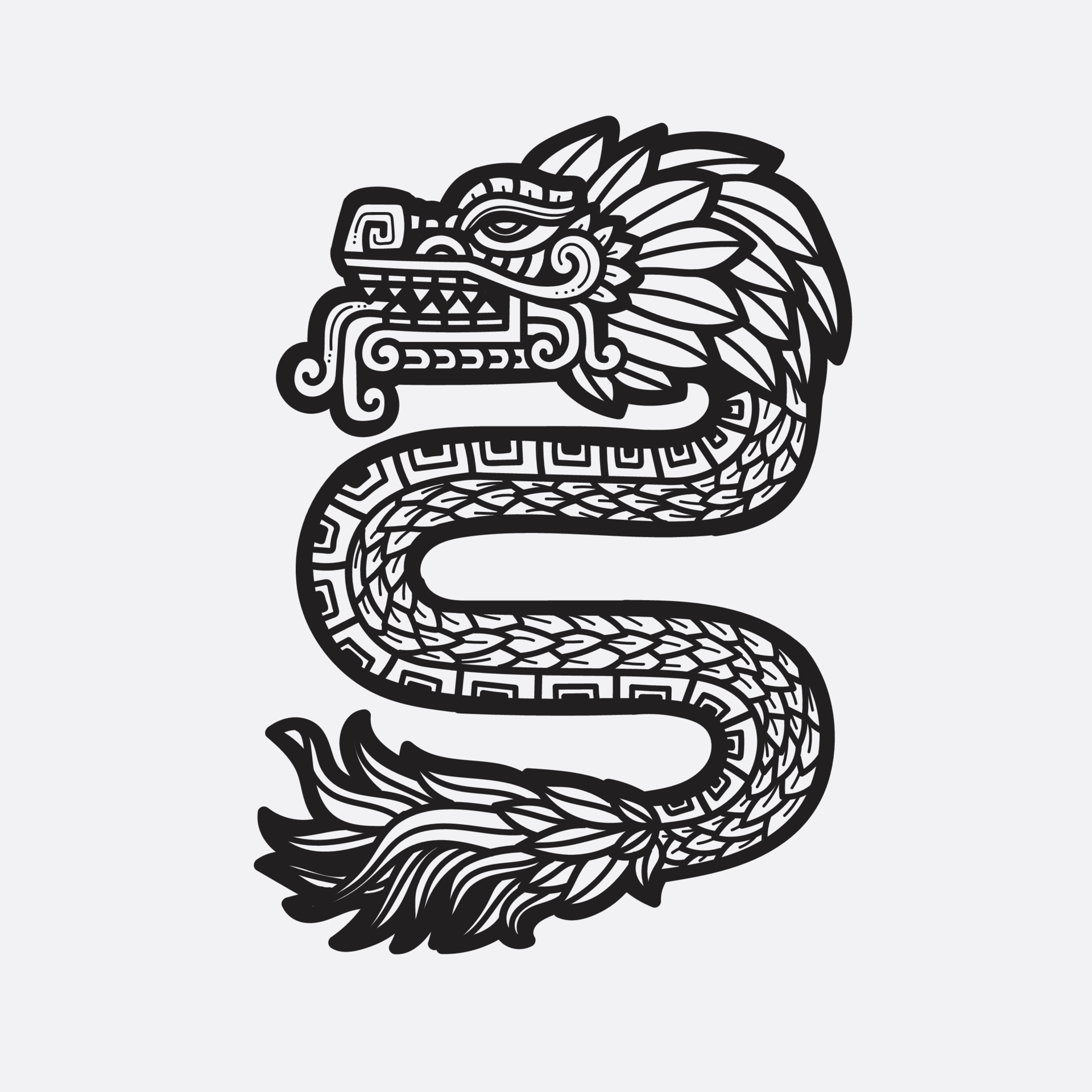
hand drawn aztec dragon quetzalcoatl mexican god 22310760 Vector Art at

Quetzalcoatl aztec Royalty Free Vector Image VectorStock

Quetzalcoatl Aztec Drawing
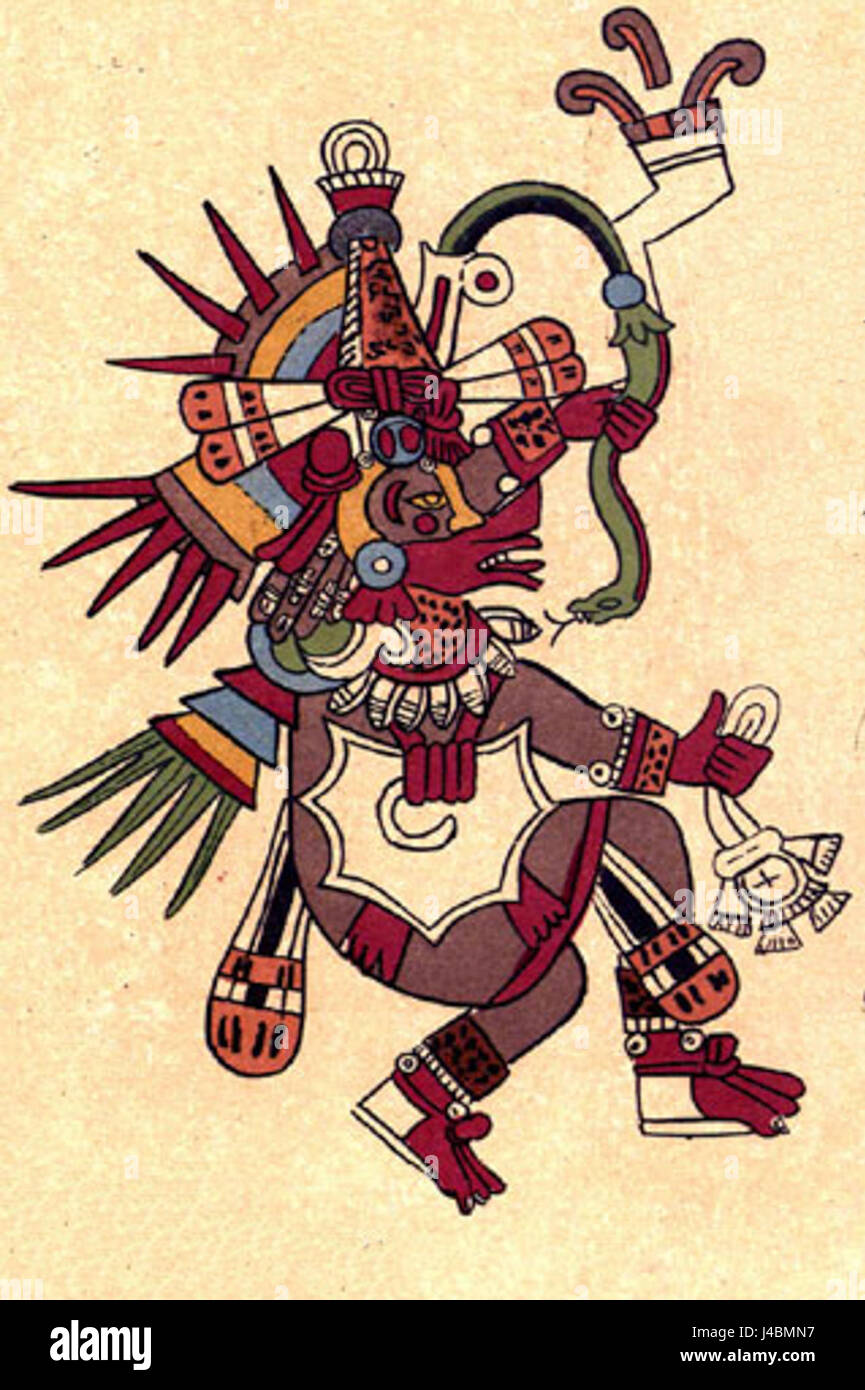
Quetzalcoatl Aztec Drawing
Everything Was Hand Drawn Directly To The Skin.
Web Quetzalcoatl Is The Most Recognizable Name Among The Aztec Gods.
Stone Sculptures Like Coatlicue (Top Of The Page) Demonstrate The.
Often Depicted As A Feathered Serpent, He Embodies Creation,.
Related Post: